
Printable Glycemic Load Chart
Printable Glycemic Load Chart - The glycemic index (gi) is a measure of how fast a food raises the blood sugar level. The glycemic index, or gi, uses a scale of numbers from 1 to 100 to rank carbohydrate foods by how quickly a serving size of each raises blood sugar. Because carbohydrates, or carbs, such as rice, pasta, bread, and fruit, raise blood sugar more, and more quickly, than fats or proteins do. Below are downloadable glycemic load food lists. This page provides a comprehensive gi index chart and their corresponding glycemic index and glycemic load values for easy reference. The green category are low glycemic load foods. Save these to your desktop or pinterest, or you can print them for later reference. A low gi is a sign of better quality. Keep this chart bookmarked in your browser for easy reference. The yellow are medium glycemic load foods. Eating foods with a lower gi may result in a more gradual rise in your blood sugar level. The glycemic index, or gi, uses a scale of numbers from 1 to 100 to rank carbohydrate foods by how quickly a serving size of each raises blood sugar. We got you covered with a glycemic index (gi) food chart that's easy to print. This page provides a comprehensive gi index chart and their corresponding glycemic index and glycemic load values for easy reference. The yellow are medium glycemic load foods. Handy for grocery shopping or meal planning, it helps in managing blood sugar levels effectively. Below are downloadable glycemic load food lists. Glycemic load chart below should be used as a guide to make wiser food choices to perform better all day long and feel better generally by keeping your blood glucose levels relatively constant. Because carbohydrates, or carbs, such as rice, pasta, bread, and fruit, raise blood sugar more, and more quickly, than fats or proteins do. This resource is designed to help people who are looking to manage their blood sugar levels or follow a low glycemic load diet. What are the glycemic index and glycemic load of your favorite foods? A low gi is a sign of better quality. The green category are low glycemic load foods. It is a sign of the quality of carbohydrates in the food. The glycemic index (gi) is a measure of how fast a food raises the blood sugar level. We got you covered with a glycemic index (gi) food chart that's easy to print. The red are high glycemic load foods. Keep this chart bookmarked in your browser for easy reference. A low gi is a sign of better quality. Glycemic index and glycemic load free printable. The yellow are medium glycemic load foods. Handy for grocery shopping or meal planning, it helps in managing blood sugar levels effectively. The red are high glycemic load foods. Because carbohydrates, or carbs, such as rice, pasta, bread, and fruit, raise blood sugar more, and more quickly, than fats or proteins do. What are the glycemic index and glycemic load. Glycemic load chart below should be used as a guide to make wiser food choices to perform better all day long and feel better generally by keeping your blood glucose levels relatively constant. Eating foods with a lower gi may result in a more gradual rise in your blood sugar level. Carbs with low glycemic index The glycemic index (gi). What are the glycemic index and glycemic load of your favorite foods? Keep this chart bookmarked in your browser for easy reference. Handy for grocery shopping or meal planning, it helps in managing blood sugar levels effectively. Below are downloadable glycemic load food lists. A low gi is a sign of better quality. The glycemic index, or gi, uses a scale of numbers from 1 to 100 to rank carbohydrate foods by how quickly a serving size of each raises blood sugar. The glycemic load (gl) adds the amount of carbohydrate (quantity) into the. We got you covered with a glycemic index (gi) food chart that's easy to print. Keep this chart bookmarked. Carbs with low glycemic index Glycemic load chart below should be used as a guide to make wiser food choices to perform better all day long and feel better generally by keeping your blood glucose levels relatively constant. What are the glycemic index and glycemic load of your favorite foods? It is a sign of the quality of carbohydrates in. Because carbohydrates, or carbs, such as rice, pasta, bread, and fruit, raise blood sugar more, and more quickly, than fats or proteins do. The glycemic index (gi) is a measure of how fast a food raises the blood sugar level. The green category are low glycemic load foods. It is a sign of the quality of carbohydrates in the food.. It is a sign of the quality of carbohydrates in the food. Eating foods with a lower gi may result in a more gradual rise in your blood sugar level. Save these to your desktop or pinterest, or you can print them for later reference. It groups foods by low, medium, and high gi, so making healthier choices becomes a. We got you covered with a glycemic index (gi) food chart that's easy to print. This page provides a comprehensive gi index chart and their corresponding glycemic index and glycemic load values for easy reference. Foods are categorized as low gi (55 or less), medium gi (56 to 69) and high gi (70 or more). The green category are low. The glycemic index, or gi, uses a scale of numbers from 1 to 100 to rank carbohydrate foods by how quickly a serving size of each raises blood sugar. Save these to your desktop or pinterest, or you can print them for later reference. Handy for grocery shopping or meal planning, it helps in managing blood sugar levels effectively. It groups foods by low, medium, and high gi, so making healthier choices becomes a breeze. Foods are categorized as low gi (55 or less), medium gi (56 to 69) and high gi (70 or more). Glycemic index and glycemic load free printable. The green category are low glycemic load foods. Carbs with low glycemic index This resource is designed to help people who are looking to manage their blood sugar levels or follow a low glycemic load diet. Keep this chart bookmarked in your browser for easy reference. We got you covered with a glycemic index (gi) food chart that's easy to print. What are the glycemic index and glycemic load of your favorite foods? The red are high glycemic load foods. Eating foods with a lower gi may result in a more gradual rise in your blood sugar level. It is a sign of the quality of carbohydrates in the food. Because carbohydrates, or carbs, such as rice, pasta, bread, and fruit, raise blood sugar more, and more quickly, than fats or proteins do.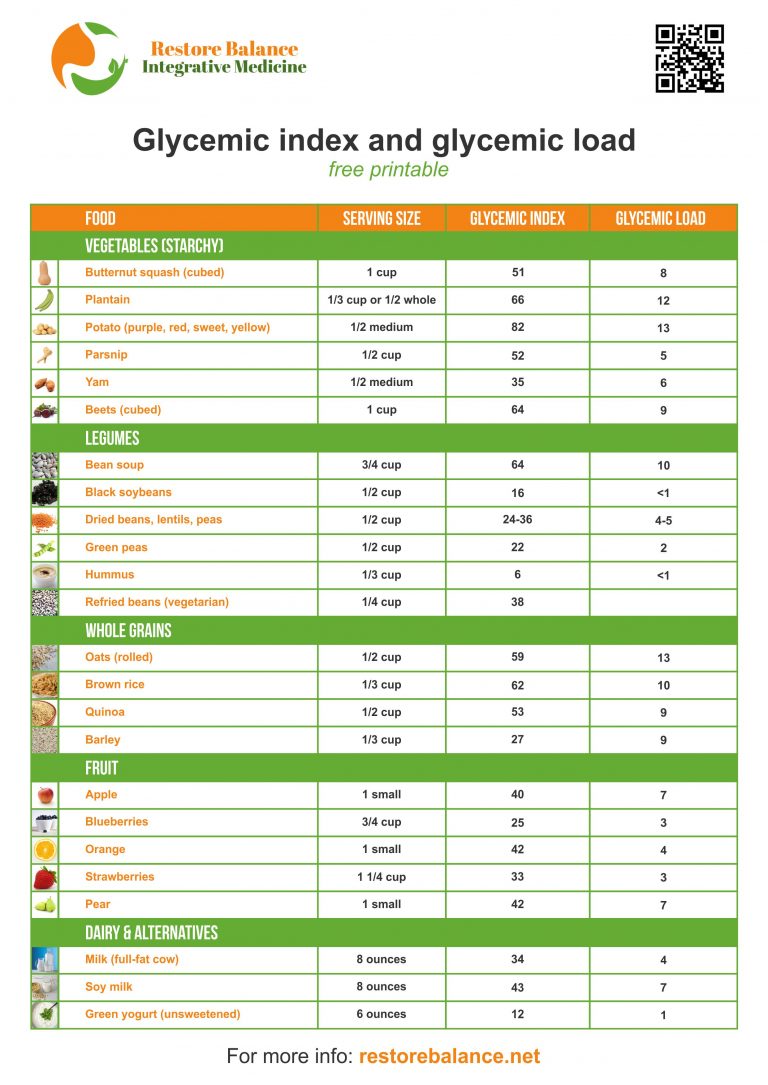
Printable Glycemic Index And Load Chart Pdf

Printable Pdf Printable Glycemic Index Chart

Free Printable Glycemic Index Chart

Glycemic Index Chart 6 Free Templates in PDF, Word, Excel Download

Full Glycemic Index Food List Printable Chart
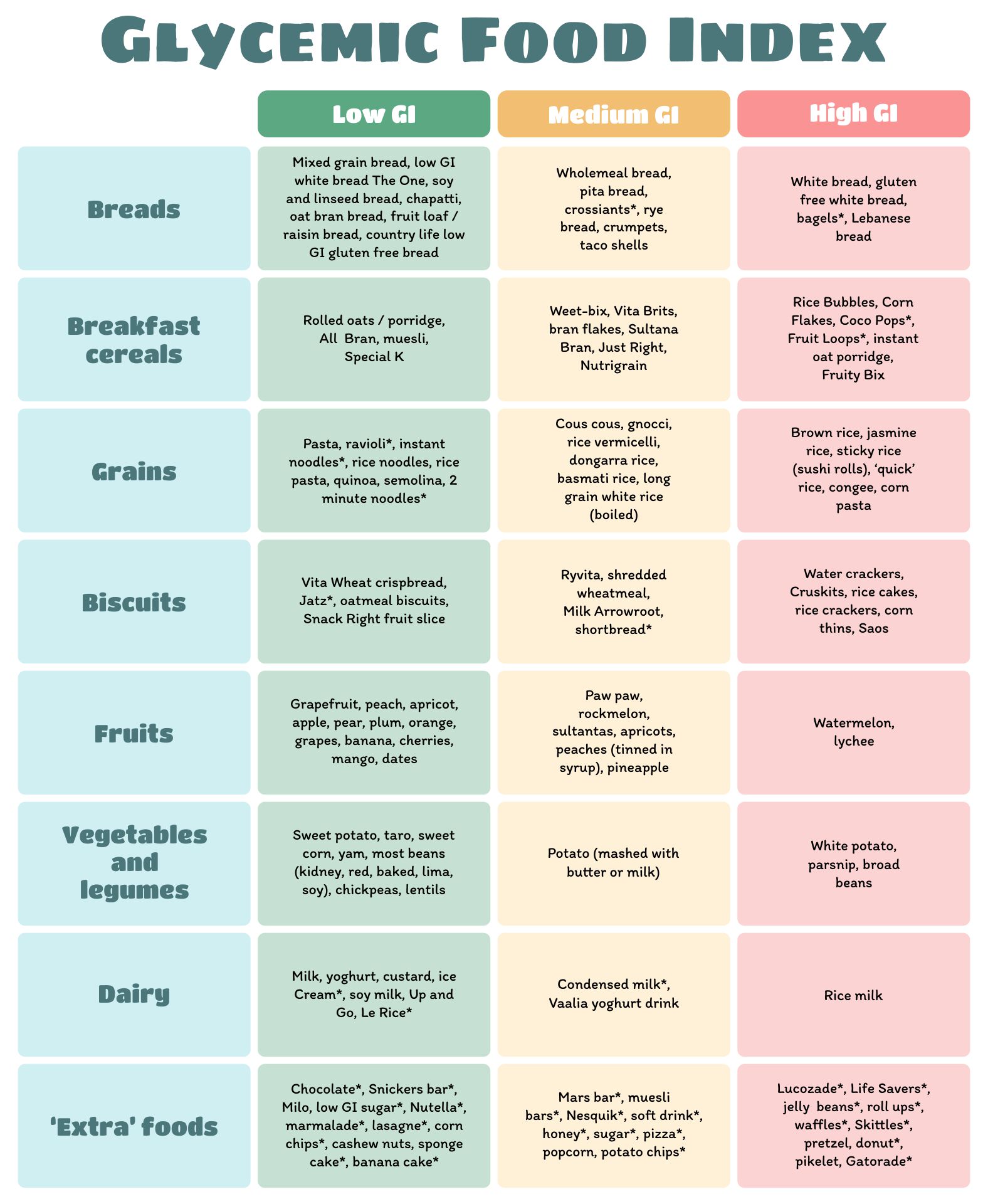
Glycemic Index Printable Chart
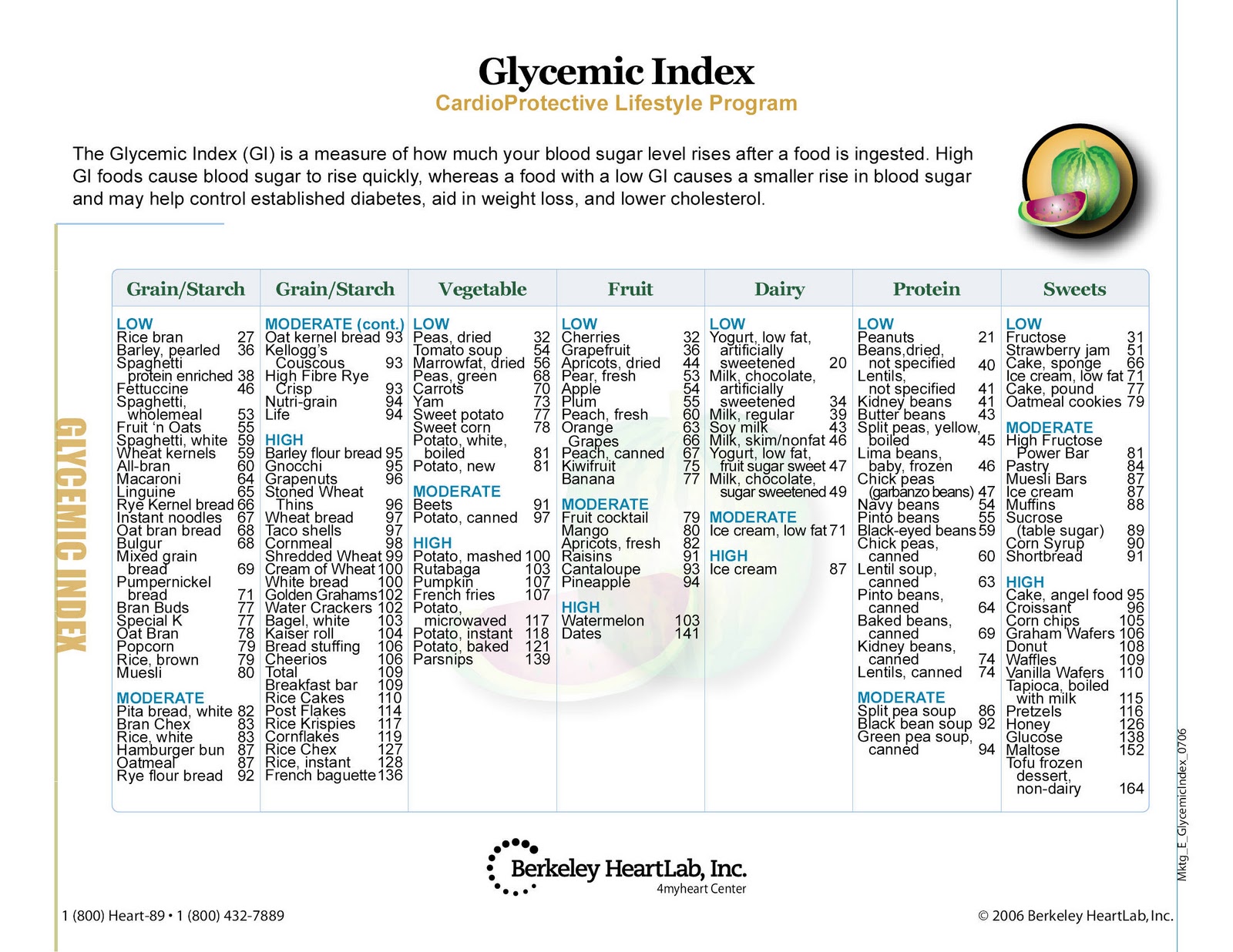
Glycemic Index Food Chart Printable Pdf
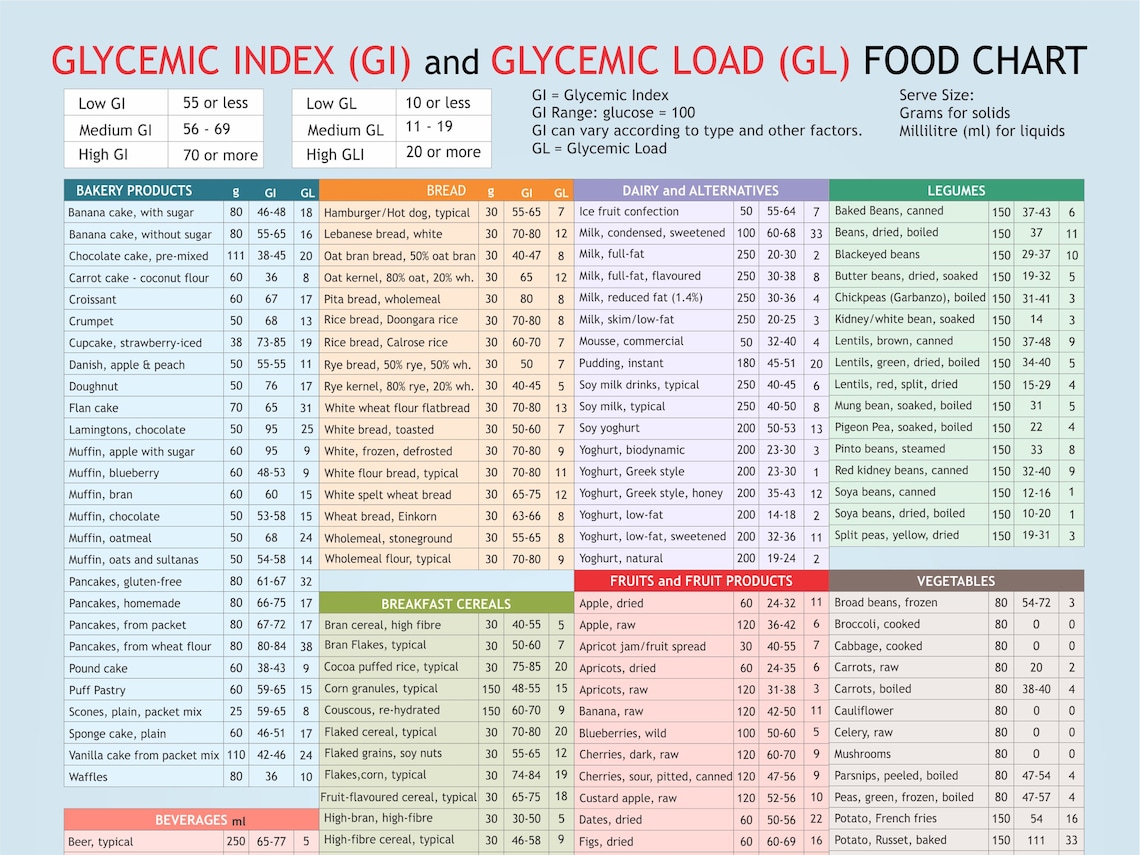
Glycemic Index, Glycemic Load, Food List Chart, Printable Planner
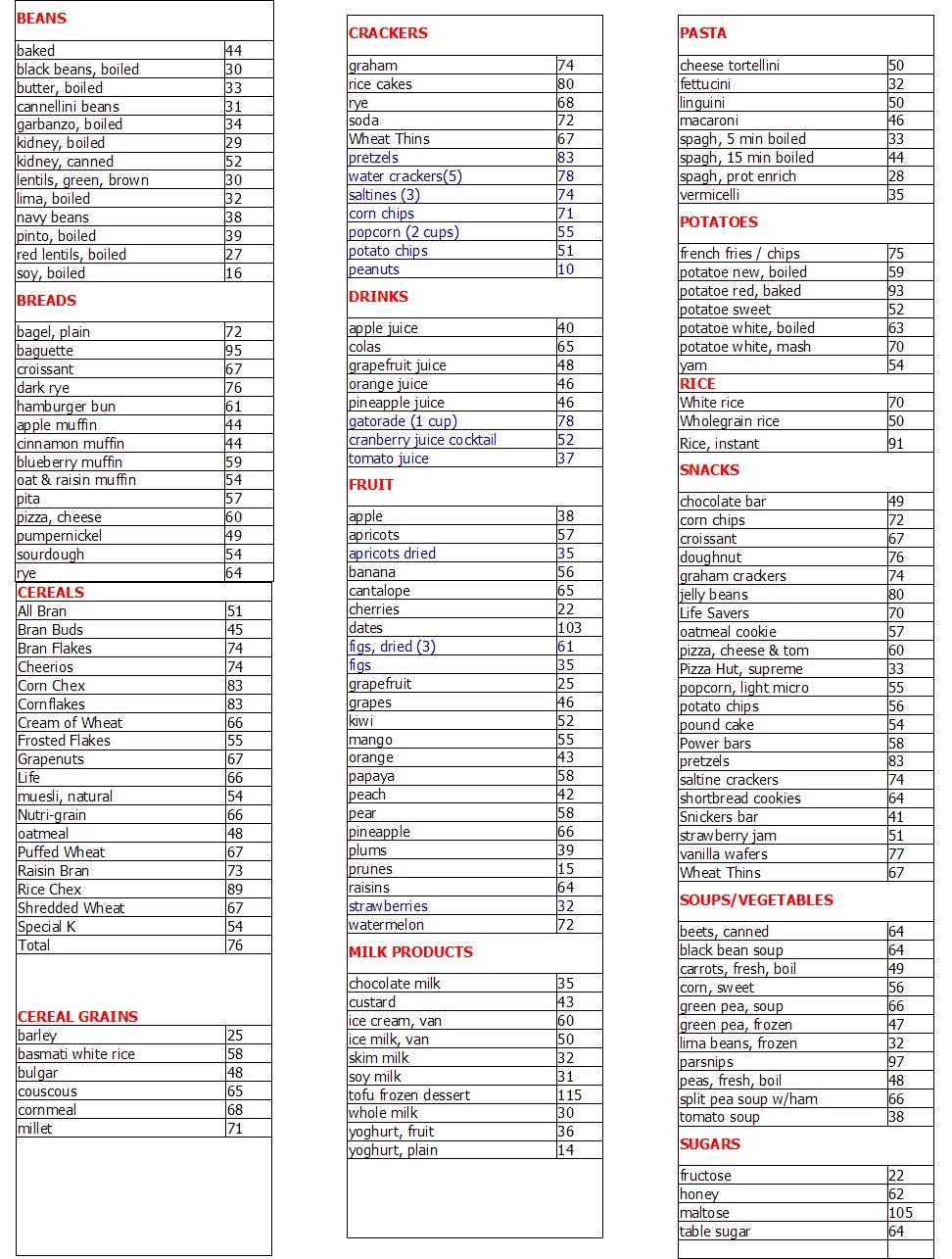
Printable Glycemic Index And Load Chart

Printable Pdf Printable Glycemic Index Chart
The Glycemic Index (Gi) Is A Measure Of How Fast A Food Raises The Blood Sugar Level.
This Page Provides A Comprehensive Gi Index Chart And Their Corresponding Glycemic Index And Glycemic Load Values For Easy Reference.
The Glycemic Load (Gl) Adds The Amount Of Carbohydrate (Quantity) Into The.
The Yellow Are Medium Glycemic Load Foods.
Related Post: